I was made in Pompey, and if you cut me I bleed blue. This city shaped me - its streets, its sounds, its people. So when I heard Portsmouth was bidding for UK City of Culture 2029, something stirred. Not the polished excitement you'd expect from a press release, but something more instinctive. The kind of feeling you get walking down Albert Road on a Friday night, hearing music spill out of a doorway, or spotting a bit of guerrilla street art tucked down a side street that wasn't there last week.
Culture isn't something that gets announced in a boardroom. It's lived. It's the bloke at the chippy who's been there since your dad was a teenager. It's the bands playing to thirty people who'd die for them. It's the ravers, the punks, the record shop diehards and the graffiti writers. It's the city's refusal to be anything other than exactly what it is.
Portsmouth has always punched above its weight creatively, often without anyone outside the postcode noticing. This is my attempt to celebrate some of that - the places, the people and the moments that are, in my eyes, the real culture of this city.
Music - the heartbeat of the city
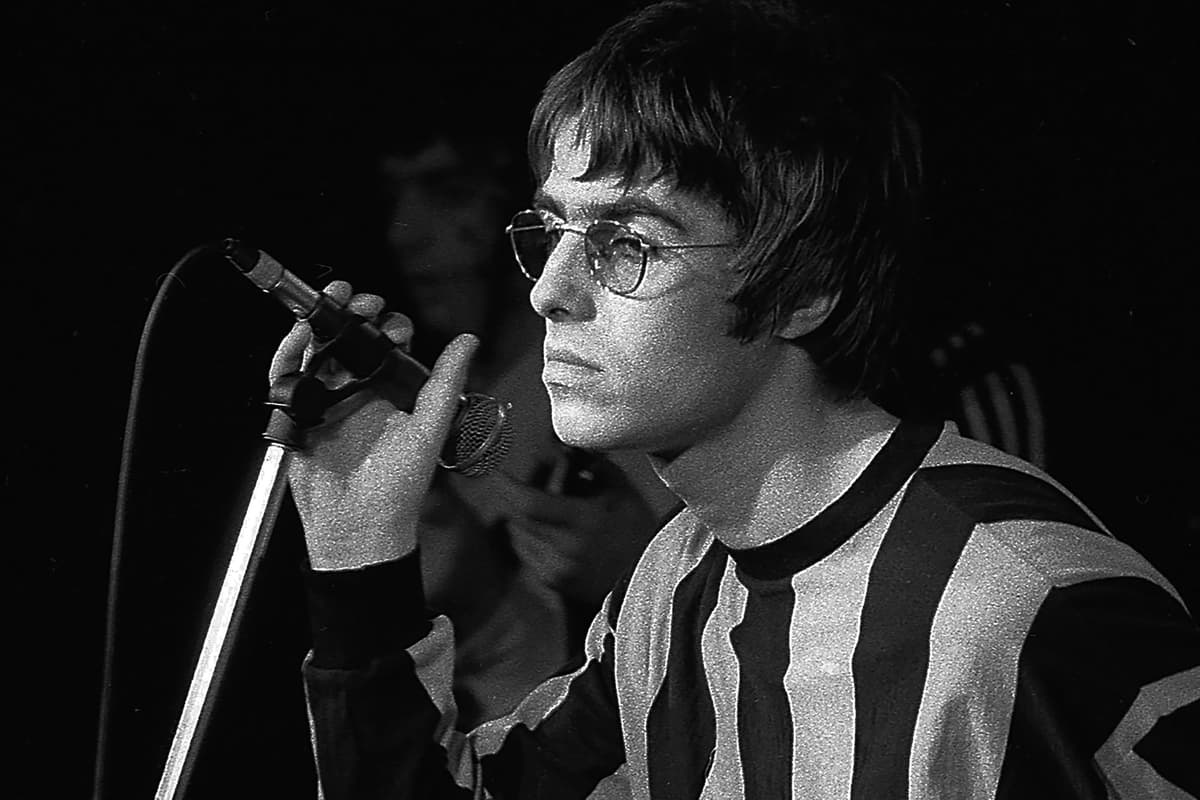
Culture resonates differently for everyone, but for me it starts and ends with music. Music brings people together in a way nothing else does - whether that's losing yourself at a rave on South Parade Pier, catching a DIY punk night at the Fawcett Inn, or being one of the apparently several thousand people who swear they were packed into a 400-capacity Wedgewood Rooms to see Oasis in 1994. Everyone and their dog claims to have been at that gig.
I've watched a lot of venues close over the years. Business rates, rising costs and the slow creep of the gastropub have all taken their toll. When I turned 18 in 2006, you could find live music most nights of the week across the city. That's become harder to say now. But what's stuck around - and what gives me genuine hope - is that the spirit behind it never really left.
DIY promoters like Washed Out are still putting on punk nights at the Fawcett Inn and at Kola, keeping that grassroots energy alive. Kola itself is worth a mention - opened in 2025 by the team behind Heartbreakers and Papillon, it's an intimate live event venue and nightclub in Southsea hosting up-close performances from rising indie bands, cutting-edge DJs and stand-up comedy. It fills a gap that's been there for a while, and it's doing it properly - the kind of place where you rock up not knowing who's playing and end up staying three hours because the vibe pulls you in.
The Wedgewood Rooms
For almost 35 years, the Wedgewood Rooms has been at the cutting edge of music in Portsmouth, building a legendary reputation as arguably one of the best small venues in the UK. Oasis, Pulp, Jeff Buckley, The Strokes, Muse, Catfish & the Bottlemen, Biffy Clyro - they all played the Wedge on their way up. The building itself has a history that stretches back further still - a ballroom, a jazz club, WW2 storage and even a community function room where Arnold Schwarzenegger competed in a bodybuilding competition in 1968.
But for me, the Wedge isn't about the famous names. It's about the firsts.
My first ever gig was there - ska punk band Spunge, I was about 13, and I spent roughly a week wearing my mum down until she finally said yes. I'm not sure she knew what she was agreeing to. Somewhere along the way there was also a stage invasion - I couldn't tell you which gig, only that it happened and that the bouncers were not impressed. Those same bouncers later carried me out in considerably more sympathetic fashion after I did my ankle in the pit watching The Paddingtons. Different circumstances, same exit. Not their worst work.
Then there was the Shadow Child DJ set. At some point during what I can only describe as an enthusiastic moment, I managed to fall off the back of the stage in front of a packed room - full Del Boy, straight through the curtains and into what I was briefly convinced was the void. It wasn't the void. It was the back of the Wedgewood Rooms, wrapped in heavy stage curtains in the dark while the music kept going and everyone above me carried on having a brilliant time. Still not entirely sure how long I was down there.
I've also stood in that room watching support acts I'd never heard of, only to see them everywhere a year later. Most notably the Kooks. I won't dwell on that one.
That's the thing about the Wedge - it holds all of it. The memories you brag about and the ones you quietly file away. It's a not-for-profit Community Interest Company, which says everything about why it's still here. It's not chasing margins. It exists because Portsmouth needs it to exist. It's closed twice before and bounced back both times, which feels pretty on-brand for this city. Independent venues like this still face very real threats - noise abatement notices from developers or newly arrived neighbours, with legal costs that could sink a business overnight. The Wedge has survived all of it. Long may that continue.
Art - learning to look up
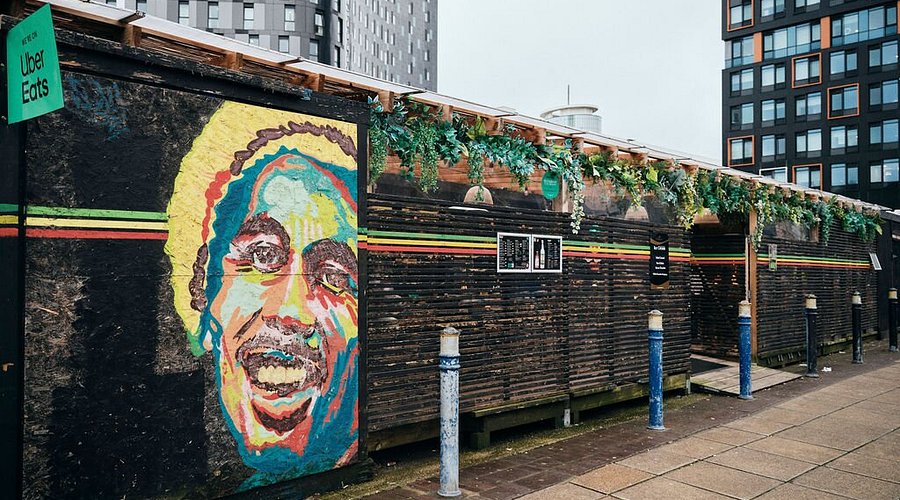
I'll be honest - I spent my first 20-odd years in this city completely oblivious to the art scene. That time was mostly accounted for by exploring what feels like hundreds of boozers, watching bands or dancing in dark rooms to house, jungle and techno. As I got older though, I started to actually look up, and what I found was a city that had been quietly doing something remarkable on its walls, in its back streets and in its empty buildings the whole time. I'm no expert - this is just the stuff I love and notice walking around.
My Dog Sighs is probably the city's best known artist and for good reason. You'll know the work when you see it - those enormous reflective eyes staring out from the sides of buildings, the painted tin cans, the little everyman figures tucked into corners you'd walk past without a second thought. Free Art Friday started right here in Portsmouth - the idea being that you'd head out on a Friday morning not knowing what you might find. A painting on a bench, something propped against a lamppost with a note saying take it home. It's now hidden art in 20 countries across the world. That's a Portsmouth idea that went global, and most people outside this city have no idea it came from here. The whole thing started with someone pretending to go for a jog in the evenings, picking up bits of rubbish off the streets of Portsmouth, spending the week working on them, and leaving them on windowsills on the way to a teaching job on a Friday morning. That's as DIY as it gets. His studio is above the Wedgewood Rooms, which tells you something about how tightly this city's creative community is woven together.
Fark has been painting the walls of this city for years and his work is everywhere once you know to look for it. Bold colours, big energy, seagulls, messages that make you feel slightly better about the world. He co-founded the Corner Collective - a workshop and gallery space giving other local artists somewhere to work and show. The fact that he's spent years doing this alongside community projects and workshops with kids tells you everything about what drives it. It's not about ego. It's about making the city better.
Mr Samo is another one. A Southsea-based artist whose work is rooted in identity and visibility, commissioned by WorldPride in New York and winning Best Visual Artist at The Guide Awards. A Portsmouth artist doing something that genuinely matters, on stages well beyond this city.
And then there's Ooberla, who I think perfectly captures something about Portsmouth's sense of humour. Monsters with toothy grins, bright colours, weird and goofy - spray paint, Posca, digital art, polymer clay, whatever's to hand. Her work appeared at We Shine Portsmouth and it's impossible not to smile at it. That feels very Pompey to me.
If you haven't walked around this city with your eyes up recently, do it. You'll be surprised what you've been missing.
Food - we've come a long way from Shorties
The food culture in Portsmouth has changed beyond recognition in the last 20 years. When I was 18, a big night out ended with a kebab or, if you were really pushing the boat out, a trip to Shorties Steak House. Rest in peace, Shorties. You were what you were and we loved you for it. The city's curry houses deserve their own blog entirely - and they'll get one, because I could be here all day on that subject alone. In the meantime, we've pulled together our own guide to eating in Portsmouth if you want a shortlist of places that are genuinely worth your time.
But things have changed. More cultures have settled here, people want to try new things and - maybe most importantly - people are following their passions and building proper food experiences rather than just filling a gap in the market.
Natty's Jerk is the kind of place you take someone who thinks they know what jerk chicken tastes like and watch their face change. Coco's brings proper Afro-Caribbean food to the city in a way that feels personal, not performative. Arepa 2 Go - I'll admit I had no idea what an arepa was before they opened. I do now, and I'm very glad about that.
Manzoku on Albert Road brought Japanese and Korean food to Southsea - ramen, udon, kimchi, Korean fried chicken - all freshly made and family-run, the kind of place that feels like it belongs to the neighbourhood. Then there's Lin's Thai Cafe on Elm Grove, which has been there long enough to have earned the kind of quiet, loyal following that no amount of marketing can manufacture. A mother and daughter operation, cooking from traditional family recipes, BYO, cash only, fairy lights in the window. People who've been going for years and will keep going for years. That's what a food staple actually looks like.
None of these are bland chain experiences. They're people who care, cooking food that means something to them and sharing it with the city. And the city has noticed.
The Southsea Food Festival has been running for over 18 years now and keeps getting bigger. Over 100 traders spread across Palmerston Road, Clarendon Road, Osborne Road and the Common - local producers, street food, live chef demos, local beers and Portsmouth's own award-winning rum. It was recently named Event of the Year at the Portsmouth Business Awards, which feels well deserved. Then there's the Thai Food and Craft Festival on Southsea Common - traditional dancing, Muay Thai boxing, a Buddhist monk blessing ceremony, a beer garden and more food than you can reasonably manage in a day. A proper celebration of a culture that's become part of the fabric of this city.
And then, because this is Portsmouth and we have to be honest with ourselves, there's Ken's Kebabs. A city staple whether you like it or not. Ken's has delivered to places you wouldn't go with a gun, at hours when no one else was coming. There's a loyalty there that no restaurant review can capture. God bless Ken.
The people - Portsmouth's greatest export
I'm not going to single anyone out here, because the moment you start making a list you leave someone off it and they deserve to be on it.
What I will say is this: Portsmouth people are one of a kind. We've got our eccentric legends - the characters who've become local folklore, the ones who've been on that same bar stool since before you were born and have a story for every occasion. Every city has them, but Pompey's feel distinctly ours. Larger than life, completely themselves, not particularly interested in what anyone thinks about it.
But beyond the characters, this whole blog has really been about one thing without me quite saying it - the DIY attitude that runs through this city like a seam. The promoters putting on nights in small rooms because they love music and want to share it. The artists painting walls because they believe a city should be beautiful. The people opening small food spots because they want you to try something that matters to them. Nobody waiting for permission. Nobody waiting for funding. Just getting on with it.
I've probably watched too many episodes of Anthony Bourdain, but there's something he understood that I think applies here - peel back what the tourists see and you find the real place. Portsmouth has a tourist face: the Historic Dockyard, the Spinnaker, the seafront. All great, genuinely. But keep walking, go down the side streets, sit in the right boozer and you'll find something that doesn't make it onto any visitor guide.
People north of London have a reputation for saying southerners are cold and unfriendly. Portsmouth never felt like it belonged in that description to me. Go into any pub in this city - whatever its reputation, whatever end of town you're in - and by the end of the night you'll more than likely leave with a group of people you'd never met three hours ago. There's a warmth here that doesn't announce itself and doesn't need to.
And quietly, behind all of this, there are people doing extraordinary things for the most vulnerable in this city. Running food banks, organising community events, showing up for people who've got nobody else showing up for them. They don't make the news. They don't have a social media following. They just do it, because that's what you do. That's the Pompey spirit in its purest form. If you want a picture of exactly what that looks like on the ground, take a look at the Cake and Kindness Book Club - a small local group doing exactly this kind of quiet, ongoing work.
It's a cliche, I know. But cliches get that way for a reason. It really is the people that make Portsmouth great.
Football - more than just a game
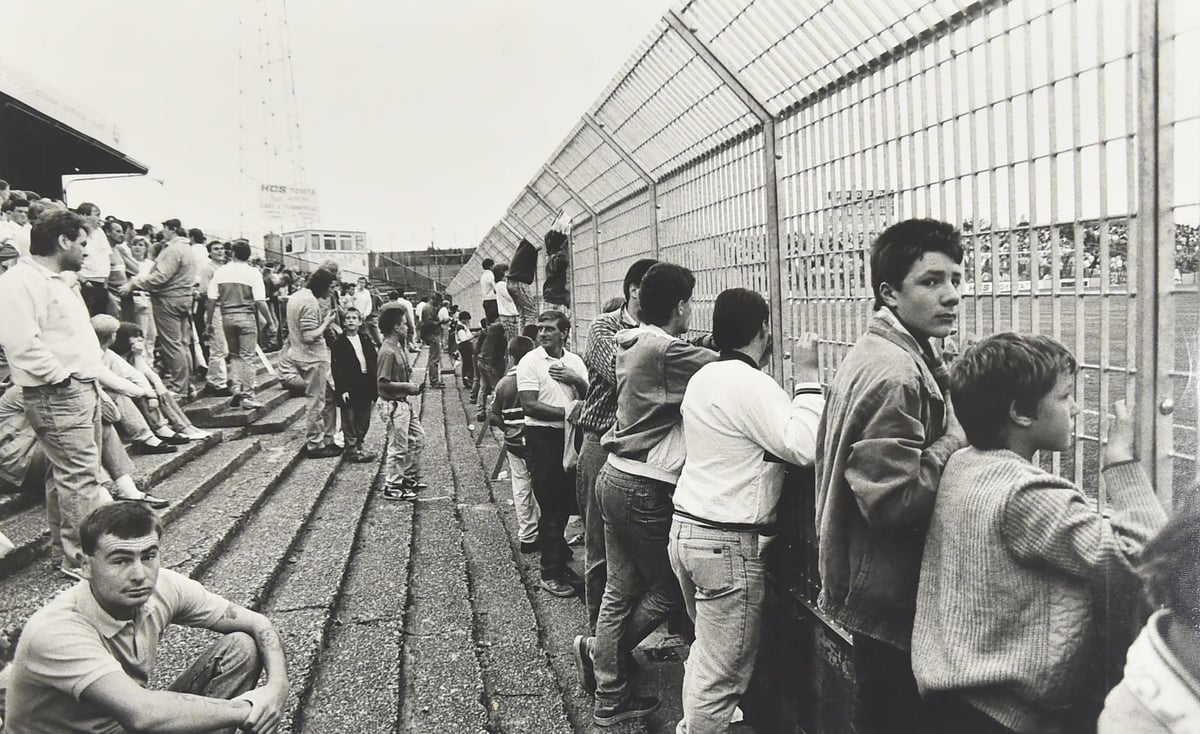
Mention Portsmouth to any football fan outside the city and you'll get a version of the same response: great fans. And they're right. Ask anyone who's been to Fratton Park on a matchday and they'll tell you the atmosphere is something else - that noise, that passion, that sense that this genuinely matters to the people in the ground. The Fratton Park roar is something a fanbase renowned for its passionate and raucous support has built over generations.
There's a reason for that, and I think it goes deeper than just liking football.
Portsmouth Football Club was founded in 1898, with its roots tied closely to the city's naval and dockyard heritage. This was a working-class city built on hard physical labour - the naval base, the dockyard, the trades that kept the fleet afloat. Football gave people something to belong to beyond the working week. A shared identity. A reason to be proud on a Saturday when the week had given you plenty of reasons not to be. We're a proud working-class city, and that pride runs straight through the terraces at Fratton Park.
Pompey have been champions of England twice, in 1949 and 1950, and won the FA Cup twice, in 1939 and 2008. The 1939 FA Cup was held for seven years because of the war, which feels like a very Portsmouth thing to happen. The 2008 win brought the whole city onto the streets. For a city accustomed to hardship, it offered a fleeting but powerful sense of pride.
But if you want to understand what Pompey fans are really made of, look at what happened when the club went into freefall. After years of reckless ownership ran the finances into the ground, the club faced administration and the very real prospect of going out of existence. Supporters rallied to form the Pompey Supporters Trust, a fan-owned entity that took control of the club in 2013. Over 2,000 individual investors raised approximately £2 million through community shares to save the club from liquidation. Ordinary people putting their own money in because they couldn't imagine the city without it. By 2014, the club was officially debt-free. The club has since returned to the Championship, and the journey from near extinction back to the second tier of English football is one of the better stories in recent football history.
That's not just football. That's community. That's people putting the collective above themselves because some things are worth saving. We are Pompey. Play up.
Why Portsmouth deserves to be City of Culture
Everything in this blog is my opinion. These are the places I love, the people I admire and the memories I've collected growing up in this city. I'm one person with one set of experiences, and I'm well aware there are whole worlds within Portsmouth I haven't touched on here - the theatre, the comedy scene, the festivals, the maritime heritage, the writers and musicians I haven't got to yet. That's not oversight, that's just the reality of trying to do justice to a city this rich in a single blog post.
But here's what I know to be true: Portsmouth has a culture that is entirely its own. It hasn't been curated or focus-grouped. It wasn't built by a regeneration strategy. It grew from people with a DIY attitude, a love of this city and the stubborn belief that what they were doing mattered - whether that was painting a wall, putting on a gig, opening a food spot or just being the person at the end of the bar who makes a stranger feel welcome.
That's the culture worth celebrating. That's the culture that deserves the platform.
This blog is one small part of that from a Portsmouth-born and Portsmouth-based studio that has always believed the best work comes from people who actually give a toss about the place they live in.
In the same spirit, we've been quietly building City of Subculture, a free directory and events platform for Portsmouth's grassroots venues, artists and promoters. If the pubs, painters, promoters and food spots in this post are your kind of city, that's the platform we're building for you.
So - over to you. What have I missed? What do you love about this city that didn't make it in here? What's your Pompey story? I'd genuinely love to hear it.


